
Oil and Gas BOP Failure Lawyer Texas
The Texas BOP failure lawyers at Trey Barton Law represent oil and gas workers injured in blowouts caused by blowout preventer (BOP) malfunctions. Whether the offshore drilling BOP or oilfield BOP failed, our oil and gas BOP failure attorneys are experienced in handling complex blowout and explosion cases against major oil and gas companies, contractors, operators, and manufacturers responsible for preventable accidents. After blowout preventer systems malfunction, our BOP attorneys assist oilfield and offshore drilling workers by conducting outside investigations to determine fault and hold responsible parties accountable for medical expenses, the full value of lost wages, and other financial losses suffered by faulty or unmaintained blowout preventers.
If you were harmed or lost a loved one in an oil and gas explosion because a blowout preventer didn’t work as intended, contact a Texas BOP failure lawyer for a free consultation. We handle blowout preventer accident cases on a contingency fee basis, so you don’t pay anything unless we win. Call 832-916-2526 for a free case evaluation.
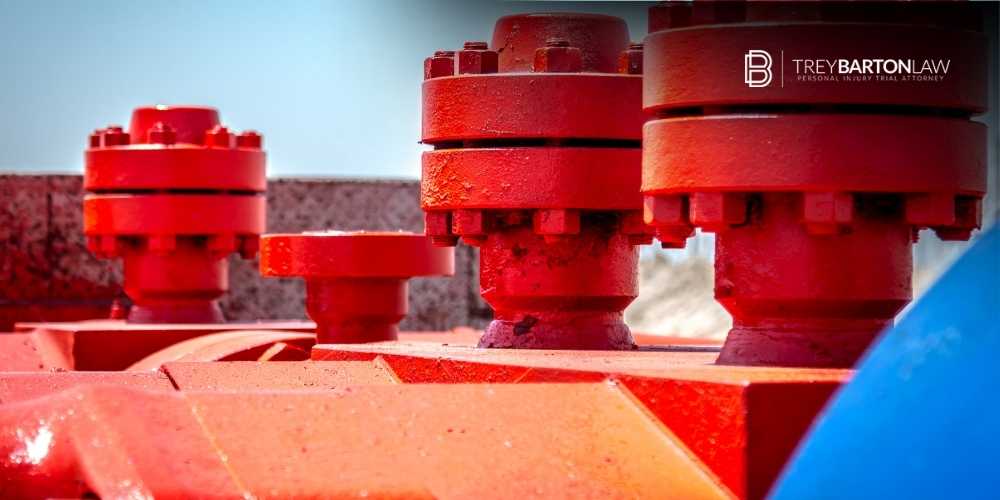
What is a BOP in the Oilfield, and How Does a Blowout Preventer Work?
A blowout preventer (BOP), often pronounced “B-O-P”, is a critical assembly used during oil and gas drilling operations and completion operations to prevent the uncontrolled release of crude oil, natural gas, or drilling mud from the wellbore. Installed on top of the casing head and forming part of the BOP stack, blowout preventers are designed to seal oil and gas wells in the event a kick occurs, keeping formation pressures completely restricted.
There are two basic types of blowout preventers: annular blowout preventers and ram-type preventers. An annular preventer uses a flexible packing unit to close around the drill pipe, drill string, or open hole, while ram blowout preventers use steel ram blocks, such as pipe rams, blind rams, or shear rams, to seal, shear, or close the wellbore.
The two general types are supported by accumulators, control valves, and redundancy systems in such a way that ensures extreme conditions will initiate the process.
Each component must be tested to prevent blowouts and protect the drilling rig, equipment, and personnel.
Types of Blowout Preventers (BOP)
Annular Blowout Preventer (Annular BOP)
An annular BOP is a critical component of the blowout preventer stack used in oil and gas drilling operations to maintain well control when a kick occurs. Unlike ram-type preventers, the annular blowout preventer uses a flexible packing unit that can seal around the drill pipe, drill string, casing, or even an open hole. Annular preventers operate using hydraulic pressure to achieve effective compression of the rubber sealing element upward around the well bore, preventing the escape of formation fluids like crude oil, natural gas, or drilling mud. Designed with only two moving parts, the piston and the packing unit, the annular preventer reduces the complexity and the risks for oil and gas personnel. Annular BOPs are commonly mounted above ram blowout preventers within the BOP stack to provide reliability wellbore sealing during various stages of oil drilling.
Ram BOP
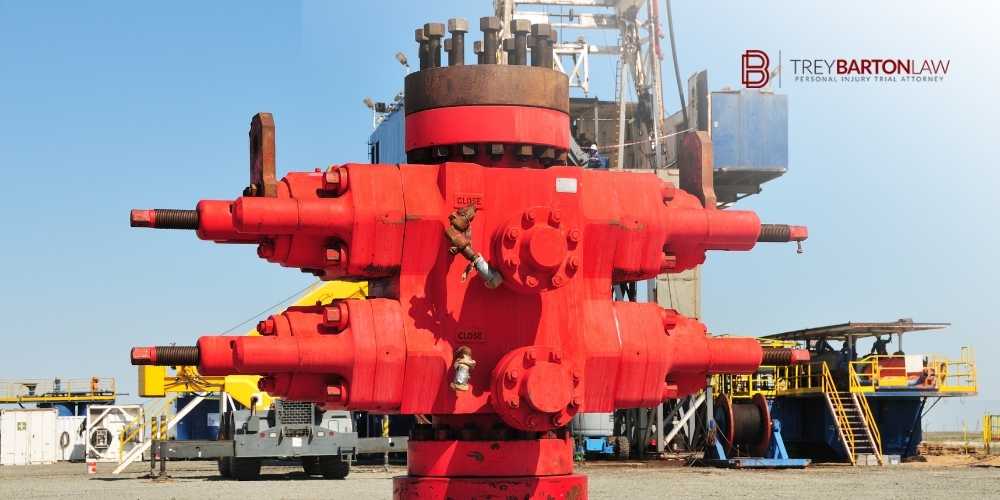
Ram blowout preventers are steel devices used in the blowout preventer stack to seal the wellbore during drilling operations. They use hydraulically actuated ram blocks that move horizontally for closure of the well bore. Ram blowout preventers are positioned below annular BOPs and are critical for managing formation pressures and preventing the uncontrolled release of formation fluids such as crude oil, natural gas, or drilling mud when a kick occurs. Common types of ram preventers include pipe rams, blind rams, shear rams, and blind shear rams, each designed for specific well conditions and drill string configurations.
- Pipe Ram BOP: Pipe rams close around the drill pipe in the well bore, sealing the annulus between the pipe and the blowout preventer. Pipe ram preventers do not shear or cut and are used when the pipe remains in the hole during shut-in procedures. Proper closure depends on the pressure delivered by the blowout preventer system.
- Blind Ram BOP: Blind rams seal the wellbore when no drill pipe is present. Blind ram preventers close metal-to-metal, creating a seal across an open hole, and are generally used during full shut-in or abandonment procedures.
- Shear Ram BOP: Shear rams are designed to cut through the drill pipe or tubing using hardened ram blocks. Once sheared, shear ram preventers may leave the wellbore open unless used in combination with other sealing elements.
- Blind Shear Ram BOP: Blind shear rams both cut through the drill pipe and seal the wellbore in one motion. Blind shear ram preventers are crucial tools during emergency situations.
BOP Stack (Blowout Preventer Stack)
Blowout preventer stacks are a vertical assembly of pressure control equipment, including annular preventers, ram-type preventers, choke and kill lines, control valves installed and mounted on the wellhead, and are often housed within a reinforced support frame that secures the assembly during oil and gas drilling and completion operations. BOP stacks are designed to contain formation pressures and prevent the uncontrolled release of crude oil and natural gas when a kick occurs.
Blowout Preventer Components

Hydraulic Pressure Control Systems
Hydraulic pressure control systems use hydraulic lines, hydraulic connectors, and hydraulic accumulators to operate critical components of blowout preventers. These systems supply pressurized fluid to actuate ram blowout preventers, annular preventers, and control valves installed on the BOP stack. Modern systems include redundant equipment, such as dual control pods and backup circuits, to ensure actuation if the primary system fails. A properly functioning BOP control system is critical to prevent blowouts under formation pressures during drilling operations.
Emergency Disconnect Systems (EDS)
EDS are designed to sever the drilling rig from the BOP stack in high-risk emergency situations. Installed at the sea floor as part of the subsea BOP, EDS activation prevents loss of control if a kick occurs or formation fluids threaten uncontrolled release. It enables the rig to disconnect safely while sealing the well bore below, helping prevent major blowouts.
Choke Lines and Kill Lines
These are pressure control equipment connected to ports on the BOP stack. The choke line routes flow to the choke manifold, while the kill line allows heavy drilling mud to be pumped into the wellbore to counteract formation pressure by applying downward pressure. Both systems play a crucial role in circulating drilling fluids and managing pressure during shut-in or blowout events. Each contains a choke line valve or kill line valve for operational safety.
Choke Manifold
The choke manifold is a surface-level assembly of control valves and specialized valves connected to the choke line. Choke manifolds control drilling fluid return from the wellbore during circulation after a kick or blowout. It plays a crucial role in managing wellbore pressure using drilling mud, preventing damage to the BOP and drill string. Failure or misuse of the choke manifold can result in loss of well pressure control.
Casing Head
The casing head is the structural base installed at the wellhead to support the casing strings and serve as the mounting point for the BOP stack. It must maintain a proper seal between the open hole and the casing to prevent formation fluids from escaping. A compromised casing head can cause uncontrolled flow, mechanical instability, or bop failure during high-pressure oil and gas operations.
Accumulator Systems
Accumulator systems are critical storage devices that hold high-pressure fluid energy used to bring energy to the blowout preventer when needed. These use hydraulic accumulators, which are filled from a hydraulic reservoir and charged by compressed gas bottles, to deliver reliable power to ram-type preventers, annular BOP, and control valves in the event of a main system failure. The accumulator bank functions as a backup power source and is a required safety component in all BOP setups, especially in deepwater or high-pressure oil wells. Accumulators must be tested regularly to prevent latent failures and ensure full functionality during emergency situations.
BOP Installation, Testing, and Maintenance Requirements For Use in Texas and The Gulf of Mexico
API and BSSE Inspection Standards
API and BSEE enforce mandatory inspection and maintenance standards for blowout preventers used in oil and gas drilling operations. These rules apply to both surface and subsea BOP stacks and require routine pressure and function testing, as well as inspection of components such as ram blowout preventers, annular preventers, kill and choke line valves, control pods, and accumulator systems. These standards demand regular pressure testing to ensure wellbore integrity and pressure control. BSEE also further requires redundant control systems and documented inspections to catch latent defects.
When employers don’t follow these safety regulations, they risk more than shutdowns or fines. If a worker is injured and the employer doesn’t provide workers’ compensation benefits, that safety violation can form the basis of an injury lawsuit. Even for subscribing employers, a regulatory breach that results in a fatal offshore or onshore blowout may expose them to wrongful death claims if gross negligence is proven.
Pressure Control Equipment Testing and Certification
Blowout preventers, choke line valves, kill line valves, and control pods must undergo regular pressure testing and certification to comply with API and BSEE standards. Each component is tested to verify its ability to withstand expected formation pressures and to ensure full functionality during drilling and completion operations. Certified testing helps prevent blowouts, reduces the risk of uncontrolled flow, and confirms that the different types of well control systems are operating within required pressure ratings.
Maintenance Logs and OEM Protocols
To prevent BOP failure and ensure proper operation of every blowout preventer component, operators are required to maintain detailed maintenance logs and follow original equipment manufacturer (OEM) protocols.
These records help monitor the performance of critical systems. They also document whether blowout preventer (BOP) devices are functioning properly on the surface or MODU rig floor, within the expected pressure ratings, and across all parts of the well bore during oil drilling. If a kick happens, not following OEM procedures may cause problems in the drill string, valves, or other components, resulting in blowouts.
What is the Function of a Blowout Preventer In An Offshore Oil Rig, MODU, or Semi-Submersible?
The function of a blowout preventer on an offshore oil rig, MODU, or semi-submersible is to maintain well bore control and prevent a blowout during oil drilling or gas well operations. Positioned on the sea or rig floor, the blowout preventer (BOP) seals the bore hole in the event that a kick happens, stopping the release of oil or gas. Using blind shear rams, valves, and other components, the BOP isolates pressure and allows safe shut-down of the drill string.
Common Blowout Preventer (BOP) Failures That Lead to Blowouts
Our Texas oilfield equipment failure lawyers can investigate the following and more:
Annular Failure
- Seal Degradation And Blowout
- Elastomer Deterioration
- Piston Seal Leak
- Bonnet Seal Leak
- Temperature-Induced Seal Degradation
Ram Failure
- Ram Malfunction And Sticking
- Shear Ram Failure To Cut Pipe
- Debris Interference With Rams
- Rod Packing Leak
- Valve Seat Leakage
Ram and Annular Preventer Failure
- Hydraulic System Malfunction
- Hydraulic Fluid Contamination
- Accumulator Pressure Loss/Accumulator System Malfunction
- Control Line Rupture
- Control Pod Failure (Yellow/Blue Pod)
- Control System Electrical Malfunction
- Dead Man Switch Failure
- Emergency Shutdown System (EDS) Failure
- Backup Power System Loss
BOP Control System Wide Failures
- BOP Stack Misalignment
- Annular Packer Failure
- Wellhead Connector Issues
- Foundation Settling Issues (A poorly constructed or settling foundation supporting a drilling rig can undermine stability and amplify risks for blowout preventers. Inadequate bearing capacity or preloading of well pads compromises the drilling rig’s stability and can exacerbate blowout impacts.)
- Mechanical Wear Damage
- Corrosion-Related Damage
- Fatigue Crack Propagation
- Flange Gasket Leakage
- Choke Line Plugging
- Kill Line Blockage
- Remote Operating Vehicle (ROV) Intervention Delay
- Hot Stab Connection Failure (ROV-operated subsea hydraulic connector failed to engage or seal)
- Pressure Differential Damage
- Wellbore Fluid Contamination Damage
- Wellhead Seal Failure
Common Blowout Preventer Manufacturers
- Cameron
- Shaffer
- Hydril
- GE Oil & Gas
- NOV
Onshore vs Offshore Blowout Preventer Failure Claims
Texas BOP Oilfield Failure Claim
Onshore BOP oilfield failure involves malfunctioning surface blowout preventers during drilling operations. This often happens from negligent maintenance and not having main components like the blind shear ram or annular preventers inspected regularly. If the blowout preventer (BOP) system can’t activate valves installed or if ram blocks don’t seal the well bore during a kick, blowouts can occur. Onshore oil and gas wells face unique risks from hydrocarbons migrating up the bore hole if the BOP stack is misaligned or pressure ratings are exceeded.
If you were injured when a blowout preventer failed during oil drilling operations, our Texas oilfield accident lawyer team can investigate the blowout preventer failure, obtain maintenance records, secure inspection logs, and determine what contributed to the fire or explosion. Our experienced attorneys work to recover compensation for medical expenses, lost wages, and long-term damages related to oilfield injuries.
Offshore Oil Rig BOP Failure
Offshore oil rig BOP failure involves complex systems mounted on subsea wellheads, often thousands of feet below the rig floor. These BOP stacks depend on remote-operated control pods, redundant accumulator equipment, and high-pressure hydraulic lines to deploy annular and ram preventers. In deepwater or ultra-deepwater drilling, any malfunction in the blind shear ram, control system, or EDS can prevent the well from sealing during a kick. Failures in the yellow pod, hydraulic connectors, or subsea valves can delay shut-in, allowing hydrocarbons to escape and cause a blowout.
If you were injured when a blowout preventer failed during offshore drilling operations, depending on classification, our experienced Texas offshore injury attorney can recover compensation under general maritime law, the Outer Continental Shelf Lands Act (OCSLA), or Jones Act claims in Texas. These laws provide distinct legal avenues not available in onshore oilfield cases. We identify employer negligence, vessel unseaworthiness, or violations of BSEE regulations and take immediate steps to recover damages for offshore workers, including maintenance and cure, pain and suffering, and lost future earnings.
Manufacturer Liability
Texas (Onshore): Product liability claims can be filed against BOP manufacturers under Texas strict liability and negligence theories when a design or manufacturing defect caused the failure — regardless of how the equipment was maintained.
Gulf of Mexico (Offshore): Claims against manufacturers may fall under general maritime law or the Outer Continental Shelf Lands Act (OCSLA), which can borrow state product liability standards. Proving a latent defect in subsea BOP components often requires extensive expert analysis of control pods, ram assemblies, and OEM specifications.
Employer Liability
Texas (Onshore): If the employer is a non-subscriber to workers' compensation, injured workers can sue directly for negligence — including failure to inspect, test, or properly maintain the BOP. Subscribing employers may still face gross negligence claims in wrongful death cases.
Gulf of Mexico (Offshore): Offshore workers classified as seamen may pursue Jones Act negligence claims and vessel unseaworthiness against their employer. Non-seamen on the Outer Continental Shelf may bring claims under OCSLA or general maritime law. The Death on the High Seas Act (DOHSA) applies to fatalities occurring beyond three nautical miles from shore.
Both manufacturer and employer claims can be pursued simultaneously. An experienced BOP failure attorney can investigate whether the blowout preventer malfunctioned due to a product defect, employer negligence, or a combination of both.
How a Blowout Lawyer Can Help With BOP Failure Claims in Texas
Claims Against Blowout Preventer Manufacturers
Our Texas BOP failure attorneys handle claims against blowout preventer manufacturers when oil and gas workers are injured due to blowout preventer defects. If a blowout preventer fails because of a flawed blind shear ram, piston, or valve, and the well bore is not sealed during a kick, our blowout injury attorneys can investigate whether the device was manufactured improperly or failed under expected pressure ratings. We work with experts to test the drill string components, inspect the hydraulic reservoir, and determine if the failure stemmed from latent defects rather than poor maintenance.
Our Texas BOP failure lawyers review OEM protocols, maintenance logs, and CSB reports to prove the blowout was caused by a similar mechanical device used in other known incidents. If the blind shear or control pods didn’t activate or were not properly designed for deep bore hole conditions, we can build a strong case.
Families of oil and gas workers injured or killed in blowouts caused by faulty components have the right to pursue compensation. These claims may recover damages for medical expenses, lost wages, or wrongful death.
Blowout Preventer Failure Injury Claims (Not Manufacturing Related)
Under Texas and maritime law, oil and gas injury claims involving blowout preventer failures are handled differently depending on who is responsible, your employer or the blowout preventer manufacturer.
If the blowout preventer malfunctioned because of employer negligence, such as improper maintenance, skipped inspections, faulty installation, or unsafe drilling procedures, our Texas oil rig explosion lawyer team can file a claim directly against your employer.
- Oilfield workers can sue employers if they’ve opted out of workers’ compensation insurance.
- Offshore workers may be covered under the Jones Act, which allows crew members to sue their employer for negligence and recover damages.
In both cases, the claim focuses on how the employer failed to provide a safe working environment.
Our Texas blowout preventer failure attorneys determine which path applies and handle both types of cases. From preserving evidence and subpoenaing inspection logs to litigating against major oil companies, we manage every step of the legal process and fight to secure maximum compensation.
Blowout Preventer Failure Wrongful Death Claims
When blowout preventers fail during drilling operations, the consequences are often fatal. Our Texas BOP failure lawyers represent families in wrongful death claims involving both onshore oilfields and offshore drilling rigs. Whether the death occurred on a land-based well site or as a result of a MODU accident in the Gulf of Mexico, we investigate to determine liability.
For onshore oilfield BOP death cases, families can file wrongful death claims against manufacturers or employers if the death was a result of gross negligence, such as failing to inspect annular blowout preventers, ignoring maintenance schedules, or not testing critical components like the blind shear ram. Our Texas BOP failure attorneys gather internal records, OEM service logs, and control data to prove liability. Families may recover damages for lost income, funeral costs, loss of companionship, and mental anguish.
In offshore drilling BOP death cases, families may have rights under the Death on the High Seas Act (DOHSA) or the Jones Act, depending on the worker’s role. If the decedent was a seaman under maritime law, we may pursue a Jones Act negligence or unseaworthiness claim. If the blowout happened more than three nautical miles offshore and the employee wasn’t a seaman, DOHSA applies.
Our Texas BOP failure lawyer team knows how to handle complex wrongful death cases from both technical and legal perspectives. We work with offshore experts, oilfield engineers, and marine safety professionals to determine whether valve failures, faulty actuators, or incorrect product manufacturing were the cause.
Oil and Gas Workers Most at Risk When BOPs Fail
- Toolpushers
- Drillers
- Derrickhands
- Roughnecks
- Floorhands
- Mud Engineers
- Well Control Specialists
- Subsea Engineers
- ROV Operators
- Rig Electricians
- Rig Mechanics
- Company Men
Key Evidence For BOP Failure Investigations
- BOP Sensor and Control Data
- Maintenance Records and OEM Documentation
- Expert Inspection and Witness Testimony
Worst Oil and Gas Disasters in History Caused By Malfunctioning Blowout Preventers (BOP)
Deepwater Horizon (Macondo)
The Deepwater Horizon disaster occurred on April 20, 2010, when the BP-operated Macondo well blew out aboard the Transocean Deepwater Horizon rig. A failed cement job and a malfunctioning Cameron-manufactured BOP didn’t seal the well, allowing high-pressure oil and gas to erupt to the surface. The explosion killed 11 workers and triggered the largest marine oil spill in U.S. history. Investigations revealed multiple safety violations.
Enchova Central Platform Disaster
In 1984, a well blowout during maintenance caused a fire and a helicopter crash, known as the Enchova Central platform disaster. Reports indicate the BOP failed to contain the pressure due to improper maintenance and pressure buildup. 42 deaths occurred during an evacuation attempt.
Usumacinta Jack-Up Disaster
In 2007, a collision between the Usumacinta jack-up rig and the Kab-101 platform in high winds led to a blowout, known as the Usumacinta jack-up disaster. The BOP could not control the gas release. Twenty-two fatalities occurred during lifeboat evacuations.
Contact a Texas Blowout Preventer Failure Lawyer For a Free Consultation
If you lost a loved one or suffered serious injuries due to a blowout preventer failure onshore or offshore, our Texas BOP failure lawyers are ready to help. We investigate the cause, determine liability, and pursue full compensation under state and maritime law. Call 832-916-2526 for a free consultation.
Oil and Gas Locations
Serving These Cities & Counties in Texas
Free Consultation
Our experienced Houston personal injury attorneys want to get to know you and understand your unique situation. We offer a free, no-obligation consultation. You don’t pay unless your case is won.
Awards & Recognition






No Fee Unless You Win
Trey Barton understands the hardships injured people and their loved ones face as they try to heal from their accident. Every case is prepared as if it is going to trial. This gives you the best opportunity to obtain a fair recovery for your case, and ensures I am positioned to take the case to trial if the insurance company does not give you the money you deserve.