
Houston Chemical Plant Explosion Attorneys Serving Southeast Texas
A chemical fire occurs in the Houston region every six weeks on average. 618 chemical plants operate in the Houston metropolitan area, most concentrated along the Houston Ship Channel. Texas accounts for roughly 11% of all U.S. workplace deaths annually. Our Texas chemical plant explosion attorneys have recovered over $60 million on behalf of workers injured in plant explosions and families who’ve lost loved ones.
Trey Barton Law is an accident and injury law firm that focuses primarily on the oil and gas industries. We handle a variety of Texas plant accidents, including oil refineries, fertilizer plants, storage facilities, underground pipelines, and elsewhere. Our Texas chemical plant explosion lawyers know how to hold ExxonMobil, Shell, LyondellBasell, Chevron Phillips, Dow, Marathon, Valero, Motiva, TPC Group, Arkema, ITC, Pemex, and other companies responsible for all types of plant explosions in Texas.
If you were injured in a plant explosion in Houston or anywhere in the state, our Texas plant explosion lawyers provide free consultations. Call 832-916-2526 or use the contact form to schedule a free consultation.
Clients don’t pay anything unless we win.
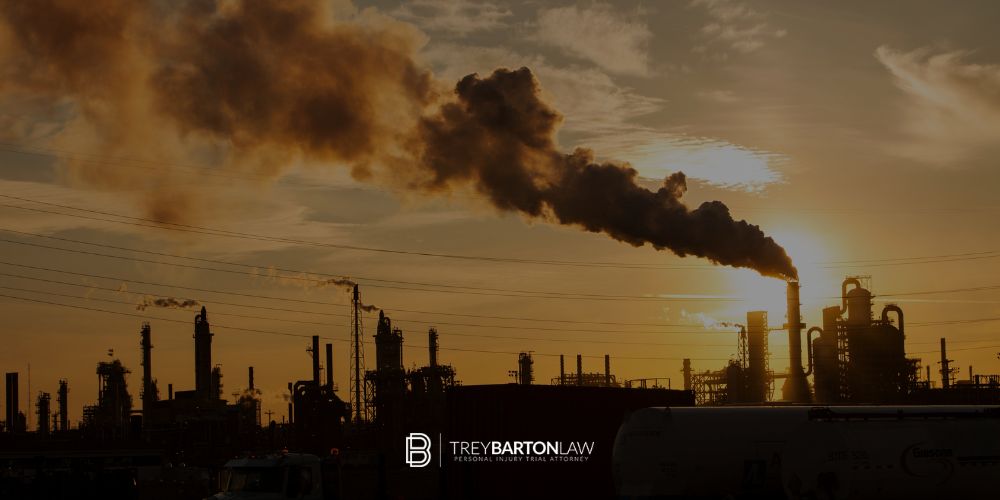
Houston Chemical Plant Explosion Attorney
Our skilled Houston plant explosion lawyers help injured victims get compensation to pay for their medical bills, full lost wages, pain and suffering, and other losses. We understand the life-changing injuries plant explosions cause.
If you’re an injured plant worker, family member who lost a loved one, or live near dangerous chemical facilities, contact Houston plant explosion attorneys for a free, no-obligation, consultation to determine your legal options.
Companies Our Experienced Houston Plant Explosion Lawyers Take On
Our law firm’s successes in chemical plant explosion and other oil and gas accident claims in Texas make us uniquely qualified to fight back against some of the largest refineries, fertilizer plants, storage facilities, underground pipelines, and other defendants responsible for plant explosions throughout Texas.
Our skillful plant explosion attorneys in Houston, Texas can help file personal injury claims or bring wrongful death claims against the following companies and more:
Operator | Facility | What They Handle |
|---|---|---|
Valero | Houston Refinery | Crude oil processing: gasoline, jet fuel, diesel |
LyondellBasell | Houston Refinery (closed Q1 2025) | Heavy crude processing — gasoline, diesel, lubricants |
TPC Group | Houston plant | Butadiene, butene, MTBE |
Kinder Morgan | Houston Ship Channel terminals | Petroleum products, chemicals, bulk liquids |
Enterprise Products | Houston Ship Channel terminals | NGL, crude oil, refined products |
NuStar Energy | Houston terminals | Crude oil, refined products |
Magellan Midstream | Houston terminals | Refined petroleum products |
These are not abstract corporate names. They’re the operators whose facilities have killed and injured workers across Houston, and our law firm knows how to build cases against every one of them.
Catastrophic Chemical Plant Accidents in Houston and Surrounding Communities
1947 Texas City Disaster (4/16/1947): The deadliest industrial accident in U.S. history occurred when 2,200 tons of ammonium nitrate on a docked ship exploded, killing at least 576 people. The entire fire department, except one person, was killed by the initial blast.
Phillips 66 Disaster (10/23/89): A series of plant explosions at the Houston Chemical Complex in Pasadena killed 23 employees and injured 314. The Phillips 66 explosion remains one of the most significant U.S. industrial accidents in history and fundamentally changed how chemical process safety protocols are managed.
Arco Chemical Explosion (7/5/90): A massive storage facility and tank explosion happened within a 90,000-gallon wastewater tank. 17 workers died, and five others sustained severe injuries.
BP Texas City Refinery Explosion (3/23/05): A hydrocarbon vapor cloud ignited during a unit restart, killing 15 people and injuring 180 after an isomerization unit was restarted without adequate safety procedures. It remains one of the deadliest plant refinery accidents in U.S. history. Over 20 years later, inadequate maintenance continues to drive plant and refinery explosions across the state.
Watson Grinding and Manufacturing Propylene Explosion (1/24/20): An explosion killed two workers and one nearby resident, damaging nearly 500 buildings in West Houston.
KMCO Crosby Chemical Plant Explosion (4/2/19): The Crosby explosion that killed one and injured over 30 was caused by a “brittle overload fracture.”
ITC Deer Park Fire (3/17/19): The petrochemical plant and storage facility fire burned for three days. Five days later, a secondary containment wall partially collapsed, releasing around 21 million gallons of toxic waste into Tucker Bayou and the Houston Ship Channel.
TPC Group Port Neches Explosion (11/27/19): Two major explosions occured, followed by fires that burned over a month.
Arkema Crosby Chemical Plant Fire (8/31/17): During Hurricane Harvey, power failures led to the decomposition and ignition of organic peroxides. This led to entire neighborhoods being evacuated.
In 2016, an investigation was conducted by the Houston Chronicle, which noted that chemical accidents at industrial facilities, such as fires or toxic leaks occurred in the Houston Ship Channel area every six weeks on average. Anyone who pays attention to news reports knows chemical explosions have continued this pattern through 2026.
What To Do Following a Plant Explosion and When to Get Help From a Houston and Gulf Coast Chemical Plant Accident Lawyer
Immediately following a plant explosion, contact a Texas plant explosion attorney by calling 832-916-2526. Calling us today ensures we’re able to secure and preserve all the evidence we can. We’ll send our legal team to the scene as quickly as possible.
- Seek immediate medical attention: Blast injuries, toxic exposure, and other injuries suffered after an explosion often don’t show immediately. Keep all medical records and bills related to your plant explosion injuries.
- Document everything you can: photos of injuries, the scene (if safe), clothing, badge/ID, and names of coworkers who were nearby.
- Call a Houston plant explosion attorney within 48 hours. Evidence at industrial sites disappears fast. Faulty or outdated equipment gets repaired or replaced. Surveillance footage gets overwritten. Maintenance logs get “lost.”
- Sign anything from employers, contractors, or insurance companies. Not a statement. Not a release. Not a “routine” incident report.
- Enroll in any “voluntary compensation program” before speaking with an experienced plant explosion attorney in Texas. ITC and Arkema are notorious for rolling these out after major chemical releases or plant explosions to mitigate responsibility and limit recovery for victims.
- Post anything on social media about the explosion, your injuries, or employer.
The clock is already ticking: In Texas, the statute of limitations is two years. The two-year deadline to file a claim begins the day the explosion occurred.
Most Recent Texas Plant Explosions, Fires, and Other Disasters
Plant explosions happen in Texas more than any other state. This isn’t random. The most common causes of chemical explosions are failure to maintain equipment, poor training, and the overall attitude that the chemical industry’s profits can take priority over workers’ lives.
Residents living near a plant, or really anyone who pays attention to news reports, know chemical explosions happen way too often. Yet the industry is largely unregulated despite the repeated and well-known safety hazards the area has experienced.
Our experienced plant explosion lawyers provide free consultations for workers injured in plant explosions and families who’ve lost loved ones in Texas plant accidents.
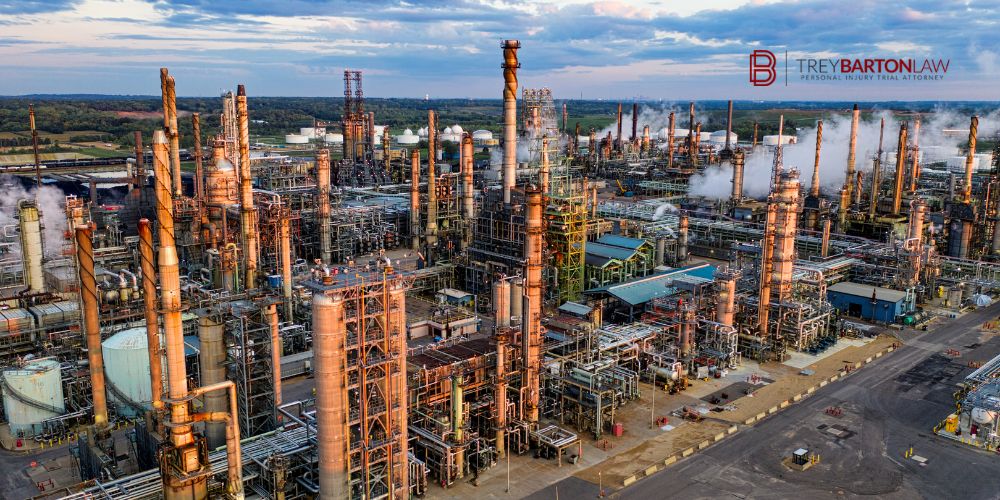
Texas Chemical Plant Explosions 2026
- Chevron Pasadena Refinery fire (4/20/26): Fire caused by a leak in a reformed unit.
- Etoile Well Site Explosion (4/20/26): Oil well explosion and fire prompted evacuations of nearby neighborhoods.
- Valero Port Arthur Refinery Explosion and Fire (3/23/26): Massive explosion and fire in a diesel hydrotreater unit, triggering a 12-hour shelter-in-place order.
- Pasadena LyondellBasell Fire (3/12/26): Release of flammable gases ignited by a flaring operation’s pilot light.
- Petromax Refining Fire (3/5/26): Process malfunction leading to hydrocarbon vapors igniting at a pump.
- Houston TPC Group Fatality (2/7/26): Contractor killed when struck by negligently maintained equipment. The U.S. Chemical Safety Board identified a lack of “effective” safety procedures, citing that the same substance which triggered TPC’s Port Neches blast that hurt three workers had yet to be identified. This shows a serious neglect of worker safety.
- Borger Tokai Carbon Plant Explosion (1/27/26): Plant explosion occurred during unloading operations. Two contractors suffered serious injuries.
Texas Plant Explosions 2025
- Mont Belvieu ONEOK Natural Gas Plant Explosion (10/6/25): Fire and blast that hurt three workers at a natural gas processing facility.
- Dow Freeport Chemical Plant Fire (10/6/25): explosion at Dow’s largest U.S. site.
- Texas City Marathon Galveston Bay Refinery Fire (6/14/25): Still under investigation, but caused when gases and chemicals leaked.
- Valero Three Rivers Refinery Fires (1/1 and 1/26): In January, the Valero refinery experienced two separate fires. The first caused no injuries, and the second injured at least five workers.
- Pecos Well Site Pressurized Line Accident (1/25): The event tragically killed one and injured two others when a pressurized line detached from the equipment.
Texas Plant Explosions 2024
- PEMEX Deer Park H2S Release (10/10/2024): Hydrogen sulfide gas release killed two workers and injured around 47 others. Massive shelter-in-place orders were issued.
- Deer Park/La Porte Energy Transfer Pipeline Fire (9/16/24): The NGL fire burned for nearly four days, and at least four workers suffered serious injuries. The heat melted powerlines and significantly damaged at least five homes.
- Raven Butene-1 Baytown Fire (9/9/24): Officials term this a “process upset,” utilizing ground flares to depressurize units.
- Phillips 66 Borger Refinery Fire (4/1/24): Fire at a processing unit, resulting in two sustaining severe burn injuries.
Was Your Incident Listed Here? Or Did We Miss One?
Our Texas plant explosion lawyers offer free consultations. Call now or contact us online.
Texas Plant Accidents By Facility Type
Our Texas plant explosion attorneys help families of injured victims get compensation for plant explosion injuries and various other types of accidents in industrial facilities.
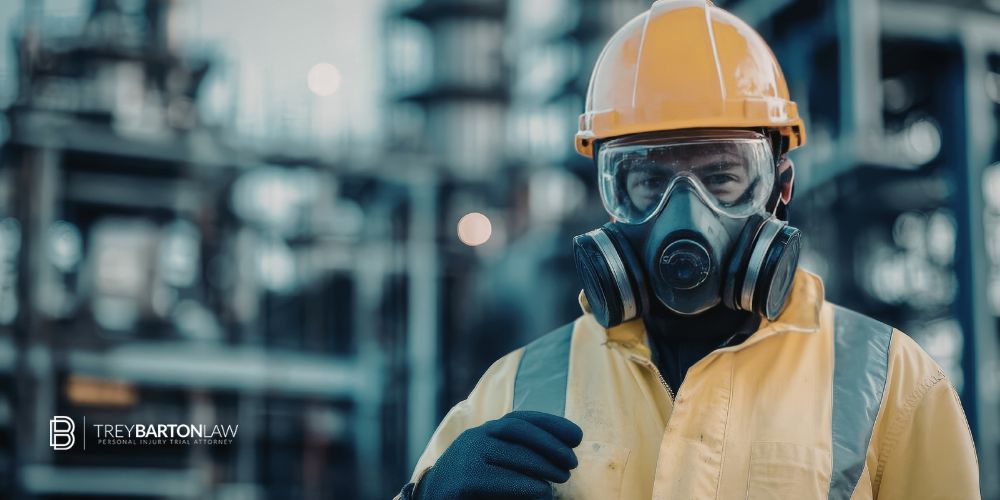
Oil Refinery Explosions and Fires
Texas leads the nation in oil refining, with ~1/4 of all operating oil refineries in the country. Refinery workers face some of the most dangerous conditions. Whe equipment fails at chemical plants, refineries, and storage facilities, flammable materials ignite, often causing severe explosions and fires.
Our Houston plant explosion lawyers take on some of the largest refineries in the countries, including:
Operator | Location(s) |
|---|---|
ExxonMobil refineries | Baytown, Beaumont |
Marathon refineries | Galveston Bay |
Motiva refinery | Port Arthur |
Valero refineries | Houston, Texas City, Port Arthur |
Phillips 66 refinery | Sweeny, Borger |
LyondellBasell refineries | Houston, Channelview |
Common accidents that happen at oil refineries:
- Hydrocarbon fires: flammable liquids or vapors escape containment, engulfing units in seconds
- Alkylation unit leaks: Chemical releases are capable of killing workers and threatening surrounding communities within minutes.
- Coker and crude unit fires: These are high-risk fires in oil refineries, and the fires they ignite often occur before workers can evacuate.
- Turnaround fires: Plants/refineries are known for having fires during maintenance shutdowns.
When plant and refinery explosions occur, victims need a skilled Houston plant-explosion lawyer to help. Our law firm can help file a refinery accident claim in Texas to help recover compensation for your injuries or the loss of a loved one.
Petrochemical Plant Explosions
The Texas Gulf Coast produces over 40% of all U.S. petrochemicals. That concentration of volatile chemical processing creates a major risk for plant workers and the surrounding communities.
Processes most prone to catastrophic failure:
- Olefins units and ethylene crackers: equipment failure can release a vapor cloud capable of leveling nearby neighborhoods
- Polyethylene / polypropylene reactors: these risk causing devastating harm during turnarounds and shutdowns
- Butadiene units: among the most hazardous materials because of it’s tendency to form “popcorn polymer,” capable of explosing without an ignition source
Volatile feedstocks involved in Texas petrochemical explosions:
Chemical | Why it’s dangerous | Notable Texas petrochemical plant explosion |
|---|---|---|
Ethylene | Explosive in air at low concentrations | |
Butadiene | Can explode without ignition source | |
Isobutylene | Rapid vapor cloud formation | |
Benzene | Flammable and a known carcinogen |
These feedstocks aren’t just flammable materials, they’re toxic gasses and chemicals. Chemical releases during petrochemical plants and storage tank explosions result in both immediate injuries and illnesses, like cancer.
Storage Facility and Tank Explosions
When storage facilities and tank farms explode in Texas, the consequences are often catastrophic.
Common plant, refinery, and storage accidents:
- AST fires: Petrochemical explosions or fires are the most difficult for firefighters, police officers, paramedics, and other emergency personnel to manage.
- Boilover and frothover: Burning oil boiling over the top of tanks.
- Tank roof collapses: often caused by improperly maintained or outdated equipment
- Lightning-strike ignition: accounts for 1/3 of all storage tank accidents.
- Vapor ignition during loading/unloading: flammable materials find ignition sources before dissipating, often caused by static electricity, running engines, hot surfaces, or external sparks.
Major terminal operators:
- Intercontinental Terminals Company (ITC)
- Kinder Morgan
- Magellan Midstream
- NuStar Energy
- Enterprise Products
If you’ve been injured in any type of life-changing storage tank accident, contact our aggressive but compassionate Houston plant explosion attorneys for help. We know how to hold negligent companies responsible and secure fair compensation for your injuries and losses.
LNG Terminal and Natural Gas Accidents
Key LNG and natural gas hazards:
- Cryogenic releases
- Vapor cloud explosions
- Cascading equipment failures at LNG facilities
- Compressor station fires
Major Texas LNG terminals include:
Facility | Location |
|---|---|
Freeport LNG | Brazoria County |
Cheniere Corpus Christi LNG | San Patricio County |
Sabine Pass LNG | Jefferson County |
Natural gas explosions often involve multiple negligent companies, terminal operators, engineering contractors, equipment designers and manufacturers, and construction firms. Our Houston plant explosion lawyers help victims throughout the claims process in the aftermath of LNG terminal and natural gas explosions in Texas plants.
Pipeline Explosions and Ruptures
Texas has ~488,564 miles of infrastructure, representing around 1/6 of all storage facilities, underground pipelines, and other provisions for natural gas, crude oil, and other flammable liquids. When a Texas pipeline explosion occurs, chemical releases can ignite, often causing severe damage to workers and surrounding communities via fireballs and jet fires.
Operators with documented Texas pipeline incidents:
- Energy Transfer
- Enterprise Products
- Kinder Morgan
- Phillips 66
Despite numerous laws meant to stop preventable safety failures, the oil and gas industry is largely unregulated, in practice. Our Houston chemical plant explosion attorney team has a deep understanding of PHMSA regulations and can determine if companies complied with safety regulations.
Fertilizer Plant Explosions
Fertilizer plants, storage facilities, and service companies handle two of the most hazardous materials:
- Ammonium nitrate: can detonate with the force of a military-grade explosive
- Anhydrous ammonia: toxic gas causing severe chemical burns to lungs, eyes, and skin on contact
The most notable Texas fertilizer plant explosion is the West Fertilizer Company disaster, near Waco. The Texas plant explosion:
- killed 15 people, including 12 firefighters, police officers, paramedics, and first responders
- injured 260+
- destroyed 150+ buildings
- registered as a 2.1-magnitude earthquake
This shaped how Texas courts handle fertilizer storage explosion claims. If you or a loved one were injured in a fertilizer plant explosion or ammonia chemical release, a Texas chemical plant accident lawyer can help.
Gulf Coast Petrochemical Corridor Accidents
Texas Gulf Coast petrochemical corridor explosions create unique legal challenges:
- Multi-jurisdictional: chemical releases and plant explosions routinely cross jurisdictions
- Federal courts: chemical plant explosion cases can be filed in the Southern District of Texas (Houston, Galveston) or the Eastern District of Texas (Beaumont).
Repeat offenders: Most plant explosions would be prevented if companies complied with safety regulations and actually considered their employees’ health. However, the same companies are taken to court by injured employees over and over again.
Our Texas plant explosion lawyers help injured employees of chemical plants seek justice and compensation in the following areas:
County | Key industrial areas |
|---|---|
Harris | Houston, Pasadena, Deer Park, Baytown, La Porte, Channelview, Galena Park |
Galveston | Texas City, La Marque |
Brazoria | Freeport, Sweeny, Lake Jackson |
Chambers | Mont Belvieu, Baytown (east) |
Jefferson | Port Arthur, Port Neches, Beaumont, Nederland |
Orange | Orange, Bridge City |
Litigating Houston Ship Channel accident claims, or any third-party claims along the coast, requires an attorney who knows the corridor, operators, history, expert witnesses, judges, and unspoken expectations. If you were injured in a plant explosion in the Gulf Coast region, a Texas plant explosion lawyer from our law firm can help.
Nuclear Power Plant Explosions and Disasters
While the South Texas Project Electric Generating Station (STP) is one of the few companies complying with safety regulations, the NRC’s latest performance assessment flagged equipment-related challenges that triggered increased federal oversight. Nuclear facilities risk causing devastating harm to surrounding neighborhoods and employees in the event of a nuclear power plant explosion, failure, coolant loss, or radiation release. Workers, families, and nearby residents may have claims for toxic exposure, property damage, and evacuation costs if an incident occurs.
Not sure which facility type applies to your case? Call us. We handle all of them.
CALL 832-916-2526Other Locations Our Texas Chemical Plant Explosion Lawyers Serve
Our Texas chemical plant accident lawyers serve the following areas:
- Pasadena chemical plant explosion
- Baytown chemical plant explosion
- Deer Park plant explosion
- La Marque and Texas City chemical plant explosion
- Crosby chemical plant explosion
- La Porte chemical plant explosion
- Nederland, Port Neches, and Port Arthur chemical plant explosion
- Beaumont chemical plant explosion
- Freeport chemical plant explosion
- Galena Park and Channelview plant explosion
- Mont Belvieu plant explosion
Pasadena Chemical Plant Explosion Lawyer
Our Pasadena chemical plant explosion attorneys handle cases involving:
Operator | Facility | What They Handle |
|---|---|---|
LyondellBasell | Bayport Choate complex | Ethylene oxide, propylene oxide, derivatives |
LyondellBasell | Bayport Underwood complex | Polyolefins, petrochemical intermediates |
Chevron Phillips | Pasadena Plastics Complex | High-density polyethylene |
INEOS | Pasadena cumene plant | Cumene (907,000 te/yr — largest standalone cumene plant in the world) |
Celanese | Clear Lake facility | Acetic acid, VAM, emulsions, engineered polymers |
Kuraray America | Pasadena EVAL / POVAL plants | EVOH resins, PVA, specialty polymers |
Kaneka North America | Pasadena plant | PVC modifiers, specialty chemicals |
Goodyear | Bayport Chemical Plant | Hydroquinone |
Lubrizol | Bayport facility | Fuel and lubricant additives |
Oxiteno | Pasadena plant | Surfactants, specialty chemicals |
Sasol | Pasadena facility | Phenolics, cresols, specialty chemicals |
Monument Chemical | Pasadena facility | Specialty esters, custom chemical processing |
Trecora Chemical | Pasadena plant | Specialty synthetic waxes, custom processing |
The most recent notable Pasadena plant explosions and failures include:
Date | Facility | What Happened |
|---|---|---|
March 2026 | LyondellBasell Bayport Choate | Two fuel tanks caught fire |
March 2023 | LyondellBasell Pasadena | Refinery fire |
May 2018 | Kuraray America | Major explosion |
Baytown Chemical Plant Explosion Lawyer
There have been repeated chemical plant and refinery explosions in ExxonMobil’s Baytown complex. Other major Baytown facilities include:
Operator | Facility | What They Handle |
|---|---|---|
ExxonMobil | Baytown Refinery | 560,000+ bpd crude oil: gasoline, diesel, jet fuel |
ExxonMobil | Baytown Olefins Plant | Ethylene |
ExxonMobil | Baytown Chemical Plant | Plastics, synthetic rubber, specialty fluids |
Chevron Phillips | Cedar Bayou complex | Ethylene, polyethylene, normal alpha olefins |
Covestro | Baytown facility | MDI, TDI (polyurethane raw materials) |
Hexion | Baytown facility | Epoxy resins, formaldehyde-based resins |
Raven Industries | Raven Butene-1 facility | Butene-1 petroleum products |
Additionally, nearby residents have filed community chemical release claims. If you’ve sustained severe injuries, lost a loved one, or suffered from an explosion near your home, a Baytown plant accident attorney can hold the ExxonMobil complex responsible for plant explosions and the injuries that followed.
Deer Park Plant and Refinery Injury Lawyers
Chemical reactions, chemical releases, and chemical explosions happen far too often in Deer Park. Plants and refineries sit right next to homes, schools, and businesses. When chemical releases or plant explosions occur, our Texas plant explosion attorneys help ensure responsible parties pay the financial price.
Operator | Facility | What They Handle |
|---|---|---|
Shell | Deer Park Refinery & Chemical Plant | Crude oil, base chemicals |
Pemex | Deer Park Refinery | Crude oil processing |
OxyChem | Deer Park facility | Chlorine, caustic soda, VCM (chlor-alkali) |
ITC | Deer Park tank farm | Petroleum products, naphtha, chemical feedstocks |
Important note: Companies may offer “voluntary compensation programs.” We advise against this. If you accepted an offer, call us today to discuss your legal options.
Our Deer Park plant and refinery attorneys help families who’ve lost homes, been injured, or lost loved ones.
La Marque and Texas City Chemical Plant Accident Lawyers
The Marathon Galveston Bay Refinery has had three major accidents since 2023:
- fatal plant explosion
- chemical release triggering a shelter-in-place
- tank explosion
Major operators include:
Operator | Facility | What They Handle |
|---|---|---|
Marathon Petroleum | Galveston Bay Refinery | 593,000 bpd crude oil |
Valero | Texas City Refinery | 260,000 bpd crude oil: gasoline, diesel, jet fuel |
Marathon Petroleum | Texas City Refinery | Crude oil processing |
INEOS | Texas City facility | Petrochemical intermediates |
Dow Chemical | Texas City facility | Chemical manufacturing |
Eastman Chemical | Texas City facility | Specialty chemicals, plasticizers |
This area is known for tragically deadly plant explosions. These negligent companies will gaslight workers and smooth-talk residents into minimal payments. They steer injured workers to company-approved workers’ comp physicians and take many different approaches to minimize liability. Our Texas plant explosion attorneys understand these tactics and protect your legal rights.
Crosby Chemical Plant Explosion Lawyers
The past Crosby explosion that killed one and injured others is a reminder of how dangerous chemical facilities run.
Our Crosby plant explosion attorneys take cases against the following:
Operator | What They Handle |
|---|---|
Arkema | Organic peroxides |
KMCO (now closed) | Isobutylene, chemical intermediates |
A Crosby chemical plant injury lawyer can help families who’ve lost loved ones or workers who are injured in plant explosions or from chemical releases file third-party claims against multiple parties. This means even if you work for a company that carries workers’ comp, you can seek full compensation for your injuries.
La Porte Chemical Plant Injury Attorney
La Porte plants handle some of the most hazardous materials in the industry. Oftentimes, plant explosions could have been prevented if companies complied with basic safety protocols.
Operator | Facility | What They Handle |
|---|---|---|
LyondellBasell | La Porte complex | Acetic acid, VAM, acetyls |
IFF / DuPont | La Porte facility | Methyl mercaptan, crop protection chemicals |
Braskem | La Porte facility | Polypropylene |
Nouryon | Battleground facility | Organic peroxides, specialty chemicals |
Chemours | La Porte facility | Titanium dioxide, fluoroproducts |
INEOS | La Porte (Olefins & Polymers) | Ethylene, polyethylene |
TotalEnergies | La Porte facility | Petrochemical intermediates |
Solvay | La Porte facility | Specialty chemicals, peroxides |
Mitsubishi Chemical | La Porte (formerly Noltex) | Styrene, specialty chemicals |
Kuraray | La Porte facility | Specialty resins, EVOH |
If you were injured or lost a loved one at a La Porte plant, you may be entitled to workers’ compensation insurance benefits, but you also may qualify to file a third-party claim to secure full compensation for your injuries. We handle chemical burns, severe and permanent injuries, and wrongful death claims on behalf of La Porte workers and their families. Call us today.
Nederland, Port Neches, and Port Arthur Chemical Plant Injury Lawyer
Operator | Facility | What They Handle |
|---|---|---|
Motiva (Saudi Aramco) | Port Arthur Refinery | 636,000 bpd (largest refinery in North America) |
Valero | Port Arthur Refinery | 435,000 bpd crude oil: gasoline, diesel, jet fuel |
TotalEnergies | Port Arthur Refinery | Crude oil processing, petrochemical feedstocks |
Chevron Phillips | Port Arthur facility | Ethylene, polyethylene, normal alpha olefins |
TPC Group | Port Neches facility | Butadiene, raffinates |
Sunoco / Energy Transfer | Nederland facility | NGL processing, petroleum pipelines |
Cheniere Energy | Sabine Pass LNG | Liquefied natural gas export |
Whether you’re a direct employee, a contract worker, or a resident affected by a Port Neches blast or a chemical plant explosion at Port Arthur, our law firm’s successes in chemical plant accidents span across Jefferson County. Even if the employer provides workers’ compensation insurance benefits, injured employees may still qualify to file third-party liability claims.
Beaumont Chemical Plant Injury Lawyers
Workers across Orange and Jefferson Counties face daily exposure risks at facilities operated by:
Operator | Facility | What They Handle |
|---|---|---|
ExxonMobil | Beaumont Refinery | 369,000 bpd crude oil, plus producing ethylene, propylene, zeolite catalysts |
Invista | Orange facility | Nylon intermediates, specialty chemicals |
Chevron Phillips | Orange facility | Petrochemical manufacturing |
If you were injured at a Beaumont-area plant or refinery, don’t assume workers’ comp is your only option. Texas is the only state where employers can opt out of workers’ compensation entirely. If your employer is a non-subscriber, you can sue them directly for negligence, and these claims often recover far more than comp ever would. Even if your employer carries workers’ comp, you may still have third-party claims against contractors, equipment manufacturers, or other companies involved in the incident.
We offer free consultations and charge no fee unless we win your case.
Freeport Chemical Plant Lawyers Serving Brazoria County
Freeport is home to:
Operator | Facility | What They Handle |
|---|---|---|
Dow Chemical | Texas Operations (Plants A, B, C) | Ethylene, polyethylene, silicones, coatings |
BASF | Freeport facility | Superabsorbents, chemical intermediates |
Olin | Freeport facility | Chlorine, caustic soda, chlor-alkali products |
Phillips 66 | Sweeny Refinery | Crude oil processing, NGL |
Freeport LNG | Freeport LNG terminal | Liquefied natural gas export |
We take cases against all of them. Whether you’re a Dow employee suffering third-degree burns or an Olin contractor exposed during a chlorine release, our Texas chemical plant injury lawyers have the resources to take on major operators.
Galena Park and Channelview Plant Accident and Injury Law Firm
Galena Park and Channelview are two of the most industrially impacted communities in the Houston region. Residents here live surrounded by crackers, terminals, and pipeline corridors – and they bear the consequences every day.
Facilities we take cases against in this area:
Operator | Facility | What They Handle |
|---|---|---|
Equistar / LyondellBasell | Channelview complex | Ethylene, propylene |
Oxy Vinyls | Channelview facility | VCM, chlor-alkali, EDC |
Kinder Morgan | Galena Park terminal complex | Petroleum products, chemicals, bulk liquids |
Texmark Chemicals | Galena Park facility | Specialty chemical processing, distillation |
If you’re dealing with unexplained respiratory issues, skin conditions, or property damage tied to chemical releases from a nearby facility, those aren’t just inconveniences – they may be actionable legal claims. Our firm represents both workers injured inside these plants and community members harmed by what comes over the fenceline. Contact us to find out if you have a case.
Mont Belvieu NGL and Plant Explosion Attorney
Our Texas plant explosion lawyers handle third party liability claims against the following:
Operator | Facility | What They Handle |
|---|---|---|
ONEOK | Mont Belvieu NGL complex | Natural gas liquids fractionation and storage |
Enterprise Products | Mont Belvieu complex | NGL fractionation, storage, pipelines |
Phillips 66 | Mont Belvieu facility | NGL processing and storage |
Targa Resources | Mont Belvieu facility | NGL processing and fractionation |
Don't see your city? We still want to hear from you.
CALL 832-916-2526
Most Common Causes of Chemical Plant Explosions and Chemical Releases in Texas
The most common causes of chemical plant explosions and chemical releases in Texas include:
- Equipment failure and outdated equipment
- Gas leaks and vapor cloud buildup
- Failure to ensure equipment is properly maintained through inspection practices
- Inadequate training or poor training of workers
- Process control failures
- Electrical sparks or ignition sources in hazardous materials
- Improper storage or handling of flammable or toxic chemicals
- Dust explosions
- Static electricity buildup
- Unsafe practices and failure to follow safety procedures
- Confined space explosions
- External events
Common Chemical Plant Explosion Injuries in Texas
Most chemical plant explosions cause severe and permanent injuries that require extensive medical treatment and recovery. Most workers are tragically killed in plant explosions. However, if the injured employees of chemical plant explosions survive, these are the outcomes:
- Severe burn injuries (often third-degree burns or fourth-degree burns): thermal and chemical burns, skin graft procedures, permanent scarring, and long-term pain management.
- Traumatic brain injuries (TBIs), spinal cord injuries, and blast injuries: concussions to traumatic brain injuries (TBIs) caused by blast pressure waves, flying debris, or being thrown into objects. Includes primary, secondary, tertiary, and quaternary blast injury categories.
- Toxic exposure injuries: toxic exposure to benzene, hydrogen sulfide (H₂S), hydrofluoric acid, ammonia, and chlorine, which can lead to cancer, asthma attacks, and respiratory illnesses.
- Hearing loss and vision loss: partial or permanent loss of hearing, tinnitus, and vision damage or blindness
- Amputations and crush injuries: often leading to permanent disability
- Wrongful death: In Texas, surviving spouses, parents, and children can file third-party claims and claims against grossly negligent employers (carrying workers’ comp or not).
Who is Responsible When Texas Plant or Refinery Explosions Happen?
- Plant owners and operators: Responsible for putting proper safety procedures in place, following safety regulations, and providing proper training. They can be held liable under Texas negligence and premises law.
- Third-party contractors: Maintenance crews, turnaround teams, and specialty contractors can be held liable if their work caused or contributed to the event.
- Equipment manufacturers: Defective valves, gaskets, pressure vessels, or safety systems can trigger product liability claims against equipment designers and manufacturers when equipment failure leads to an incident.
- Engineering and EPC firms: Design flaws, poor planning, or construction errors can create dangerous conditions that result in accidents years later.
- Chemical suppliers: Companies that supply hazardous substances may be liable for failure-to-warn claims or providing inadequate safety data sheets (SDS/MSDS).
Important note:
Texas workers’ compensation insurance benefits provide only medical care coverage and partial wage replacement. This is around two-thirds of weekly wages, but income benefits are capped.
Texas is the only state that doesn’t require companies to carry workers’ comp. While most companies carry workers’ comp, if your employer does not, you can sue them directly. Even for companies that carry workers’ comp, employees can still file third-party liability claims against contractors, manufacturers, or other operators on site, which is often where the largest recoveries come from.
Find Out Who's Liable for Your Injuries
Free consultation. We'll identify every party responsible.
CALL 832-916-2526Compensation in Texas Chemical Plant Explosion Cases
Settlements or jury awards have ranged from thousands to hundreds of millions. We help victims recover damages for the following and more:
- Economic damages: past medical bills, future medical care, lost wages, diminished earning capacity, property damage
- Non-economic damages: pain and suffering, emotional distress, post-traumatic stress disorder (PTSD), disfigurement, loss of consortium
- Punitive) damages: available when gross negligence is proven, which is common in Texas plant explosion cases (BP Texas City, Phillips 66, TPC Port Neches, all involved preventable safety failures)
MILLION
MILLION
MILLION
MILLION
MILLION
MILLION
MILLION
MILLION
THOUSAND
THOUSAND
THOUSAND
THOUSAND
THOUSAND
THOUSAND
Why Victims Injured in Plant Explosions Choose Our Our Texas Chemical Plant Accident Lawyers
Houston-based, Gulf Coast-focused. Located near the Houston Ship Channel, we understand the facilities, operators, and local courts that handle these cases.
Trial-tested against major operators. We’ve litigated against companies like ExxonMobil, Shell plc, LyondellBasell, and Chevron Phillips Chemical.
No fee unless we win. We work on a contingency basis, and our Texas plant lawyers provide free consultations.
Texas Plant and Chemical Accidents FAQs
Which Texas Law Firm Handles Plant Accidents?
Trey Barton Law handles chemical plant, refinery, and industrial accident cases across Texas. The firm represents individuals and families affected by serious workplace incidents, including explosions, fires, and toxic chemical exposure.
How Much Does a Texas Chemical Plant Explosion Lawyer Cost?
Nothing up front. We work on contingency. You pay nothing unless we recover money for you.
How Long Do I Have to File a Claim For a Texas Plant Explosion?
Two years from the date of the incident (Tex. Civ. Prac. & Rem. Code § 16.003). Wrongful death claims carry the same two-year deadline. Evidence disappears fast. Call within days, not months.
Can Contractors or Their Families Sue for Chemical Plant Explosions in Texas?
Yes. Most plant explosion lawsuits in Texas are filed by contractors against the plant operator, other contractors on site, or equipment manufacturers. The contractor relationship does not bar you from recovery.
Can Residents Living Near a Plant File Claims For Explosions in Texas?
You may have claims for toxic exposure, property damage, diminished property value, medical monitoring, and nuisance, especially if there was a shelter-in-place order or evacuation.
What is "Voluntary Compensation" for Plant Explosion Injuries?
Read nothing. Sign nothing. These programs (used by ITC, Arkema, and others after major incidents) often waive your right to sue for full compensation. Call us first.
Can I File a Claim If My Loved One Was Killed in a Texas Plant Explosion?
Surviving spouses, children, and parents can file wrongful death claims under Texas law. We handle these cases regularly and can walk you through the process at no cost.
Contact a Texas Chemical Plant Attorney For a Free Consultation
If you were hurt in a chemical plant explosion or suffered any other injury on the job, or are a family who has lost a loved one, a skilled Texas plant accident and injury law firm can help ensure negligent parties are held liable.
To schedule a free, no-pressure consultation, call 832-916-2526 or use the contact form.
Practice Areas
Serving These Cities & Counties in Texas
Free Consultation
Our experienced Houston personal injury attorneys want to get to know you and understand your unique situation. We offer a free, no-obligation consultation. You don’t pay unless your case is won.
Awards & Recognition






No Fee Unless You Win
Trey Barton understands the hardships injured people and their loved ones face as they try to heal from their accident. Every case is prepared as if it is going to trial. This gives you the best opportunity to obtain a fair recovery for your case, and ensures I am positioned to take the case to trial if the insurance company does not give you the money you deserve.