
Texas Workover Rig Accident Lawsuit
Workover Rig?
We Fight Back.
Workover rig accidents cause some of the most catastrophic injuries in the oilfield — and operators move fast to protect themselves. Trey Barton Law has recovered over $60 million for injury victims in Texas since 2020. We prepare every case for trial, so insurance companies know we mean business.
Since 2020
Verdict
Settlement
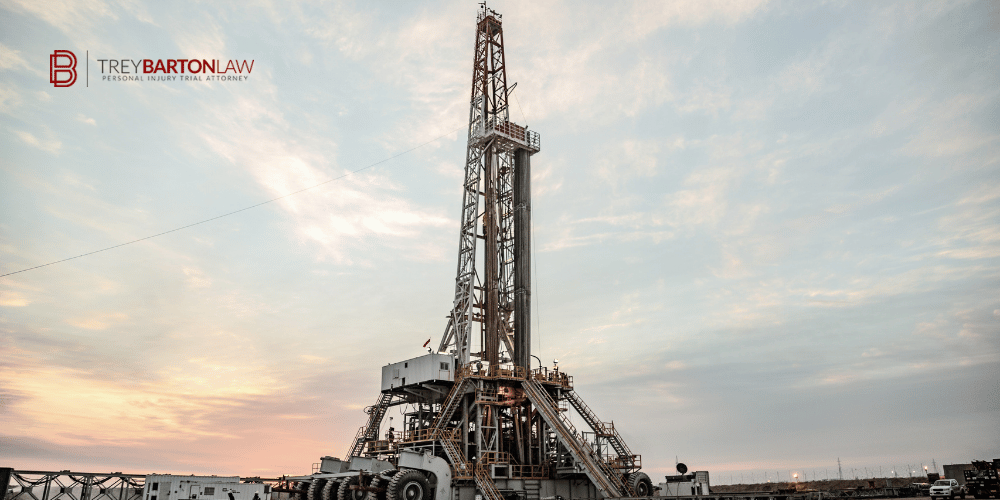
The Texas workover rig accident lawyers at Trey Barton Law help oil and gas workers injured during maintenance, repair, or remedial operations. Our law firm has extensive experience helping victims and their families navigate land-based oilfield accidents and offshore drilling rig accidents. Whether you’re a regular employee or a contract worker, a workover oil rig accident attorney in Texas can provide the legal assistance you need to secure the compensation you deserve.
From our Sugar Land office, our Texas workover rig accident attorneys handle serious personal injury claims throughout the Eagle Ford Shale, Permian Basin, Gulf Coast, and every producing region where drilling rigs operate.
Our experienced attorneys handle claims for workover rig injuries or fatalities on a contingency fee basis. This means clients don’t pay any upfront costs for personalized attention. Our workover injury attorneys are only paid if we secure a fair settlement offer or jury award on your behalf.
To schedule a free case review, call 832-916-2526 or complete our online contact form.
Types of Drilling Rigs Our Texas Service Rig Accident Attorneys Handle
The energy extraction industry involves various types of drilling rigs. Each configuration presents distinct but known hazards:
Truck-Mounted And Trailer-Mounted Service Rigs: These move frequently between locations, creating transportation accidents, rig-up hazards, and structural failures when equipment isn’t properly secured or maintained.
Self-Propelled Mast Rigs: The combined driving and hoisting create hazards for struck-by incidents, mechanical issues, and crush injuries in Texas oilfields during both transport and well servicing work.
Hydraulic Workover Units (HWUs): These snubbing units allow live well intervention without killing the well, but pressure control failures, seal malfunctions, and blowout risks make HWU work exceptionally dangerous.
Coiled Tubing Units (CTUs): High-pressure injection, downhole chemical operations, and complex pressure control systems create significant explosion risks, chemical exposure, and mechanical failures that can cause catastrophic injuries.
Pulling and Swab Rigs: The repetitive pulling operations, cable and rope failures, and struck-by hazards from falling equipment cause severe crushing injuries and fatalities without adequate safety measures.
Skid-Mounted Offshore Workover Rigs: We represent offshore workers injured or killed in platform workover accidents in the Gulf of Mexico resulting from structural collapse, oil rig explosions, and rig fires.
Most Dangerous Workover Rig Jobs in Texas
Certain crew positions face higher injury and fatality rates when service-related oil rig accidents occur:
- Roustabouts
- Roughnecks
- Derrickmen
- Pumpers
- Well Operators
Most Common Causes of Texas Workover Oil Rig Accidents Caused By Equipment Failure
Service rigs handle repetitive cycling, extreme pressuresand corrosive downhole conditions. When employers defer repairs or maintenance, use worn-out parts, or push machines beyond reasonable capacity, catastrophic accidents occur. A Texas service rig accident lawyer from our legal team can help workers and their families pursue legal action to recover compensation.
Well Control and Pressure Accidents
HWU Accidents: Seal problems in the pressure containment system, snubbing unit ram malfunctions, and hydraulic system failures cause uncontrolled well releases that often kill entire crews. Eagle Ford Shale accidents are often caused by operators pushing HWUs beyond pressure limits to avoid the cost of killing wells, resulting in catastrophic blowouts.
Pressure Testing And Bleed Off Failures: Valve failures during pressure bleed-off, gauge equipment malfunctions, and inadequate pressure relief systems cause offshore or oilfield explosions that severely burn or kill employees nearby.
Swivel and Rotating Head Failures Under Pressure: Seal deterioration, bearing failures, and erosion damage create paths for the release of H2S and other hazardous chemicals. Sour gas wells need to be continuously inspected to ensure a reasonably safe work environment, but employers and contractors often operate these sections until catastrophic injuries occur.
Wireline and Slickline Pressure Control Failures: Lubricator seal malfunctions, grease head issues, and inadequate blowout prevention allow high-pressure gas to reach surface levels, causing oilfield explosions and toxic oil and gas exposure accidents in Texas.
Blowout Preventer Failure And Well Control Accidents: Ram deterioration, hydraulic system malfunctions, and improper blowover preventer testing procedures leave crews unprotected. Oil and gas employers often skip OSHA-required testing schedules on blowout preventers to avoid downtime. They discover problems only during BOP failure accidents in Texas. Well blowout events are typically preventable.
Fire and Explosion Accidents During Intervention
Flash Fires and Reignition Hazards: When hydrocarbon vapors ignite from static electricity, hot work, or other electrical equipment, service crews often die in oilfield fires in Texas. Oftentimes, wells have recently produced oil and gas. Inadequate gas monitoring, failure to establish ignition-source controls, and rushing crews into hazardous atmospheres cause devastating burn injuries in service rig fires.
Perforating Gun Misfires During Recompletion: When perforation guns detonate prematurely, fail to fire completely, or ignite formation gas during detonation, workers suffer catastrophic burn injuries and are often killed. Faulty wireline connections, degraded explosives, and pressure control malfunctions during perforation cause catastrophic events in recompletion work.
Mechanical And Equipment Failures During Well Service
Snubbing Unit Accidents: Dropped tubing strings, ram malfunctions during stripping, and hydraulic system breakdowns cause crush injuries and well blowouts. Using snubbing units with worn slips and degraded seals is one of the more common causes.
Coiled Tubing Unit Accidents: Tubing parting under pressure, injector head and reel system malfunctions can cause whipping tubing injuries, releases of various chemicals, and high-pressure fluid injection injuries. Operators often push coiled tubing beyond fatigue limits, resulting in catastrophic oilfield accidents during well cleanouts.
Fishing Tool Malfunctions: Rushed fishing jobs and inadequate tool inspection are common causes of service-related oil rig accidents.
Rotating Equipment Malfunctions: When cables snap, wireline parts during logging runs, or rotating heads seize, oilfield workers can suffer amputations, crushing injuries, and die.
Structural and Rigging Failures
Overloading Wells And Excessive Load Pressure: occur when workers attempt to pull stuck tubing, force oversized tools into wellbores, or exceed rated capacities. Casing collapse due to excessive pulling forces, wellhead structural issues, and Christmas tree damage can cause catastrophic well-control incidents that kill entire crews.
Hoisting Accidents: happen when cranes malfunction, ropes and cables deteriorate, or loads drop.
Mast Collapse: occurs during rig-up operations, under excessive loading, or due to structural deterioration. These tragedies often kill derrickmen and crush workers on the floor. It’s common for oil and gas companies to operate service rigs with cracked structural members, corroded connections, and inadequate guy wire systems until a catastrophic collapse occurs.
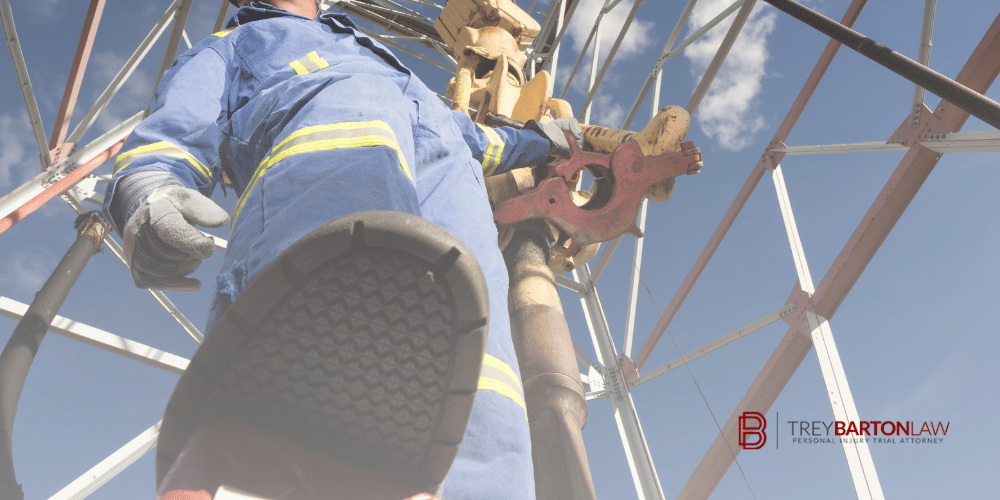
Common Types of Texas Workover Rig Accidents Caused by Oil and Gas Company Negligence
Oil Rig Collapse, Structural Failure, and Falls During Rig-Up or Derrick Operations
Texas service rig collapses occur when employers rush rig-up operations, skip inspections, or use equipment beyond safe service life. Mast collapse during raising jobs crushes workers on the ground. Guy wire failures cause them to topple during high winds. Corroded structural members give way, even under normal loads, killing the derrickmen working at elevation.
When employers don’t provide adequate fall protection, supervision on tie-off points, or rush crews, deadly falls can occur.
Ranch locations with uneven ground create additional hazards when property owners or employers don’t properly level structures before employees start work.
Struck-by injuries occur during rig-up when hoisting processes go wrong, loads swing uncontrollably, or tools fall from the mast. Inadequate rigging, worn cables, and rushed jobs cause preventable tragedies.
Wellbore Pressure Events and Downhole Obstruction Accidents
Uncontrolled well blowouts happen when employers pull tubing without properly killing wells, ignore pressure buildup warnings, or don’t maintain adequate pressure control equipment during intervention work. They often push crews to work faster, resulting in skipped pressure checks and inadequate well-killing procedures that cause deadly well blowouts during maintenance.
Downhole obstruction incidents occur when tools stick, tubing becomes lodged, or scale and debris block wellbores during pulling jobs. Eagle Ford operators frequently encounter paraffin and scale buildup but rush to intervene without adequate well cleaning, leading to preventable stuck-pipe incidents.
Entering Dead Wells With H2S Pressure and Toxic Gas Accidents
When employers don’t test for hydrogen sulfide (H2S), provide respiratory protection, or establish confined space entry procedures for such dangerous tasks, workers face a significant risk of death. Wells that have been shut in for repairs or abandonment often accumulate deadly H2S concentrations that kill crews instantly when wellheads open. Families are often told the tragedy was unpreventable.
Confined space toxic gas incidents occur when workers enter storage tanks, separators, or enclosed wellhead equipment without proper testing or ventilation. Hydrocarbon vapors displace oxygen and asphyxiate themselves. Employers rush entry procedures, skip critical air monitoring, and don’t bother posting rescue personnel. Our Texas workover rig injury lawyers will investigate the circumstances and hold at-fault parties accountable for the dangerous situations they create for oil field workers.
Chemical and Acidizing Injuries During Well Stimulation
Chemical burn injuries occur when employers don’t provide proper personal protective equipment, skip safety training, or use degraded hoses and fittings that fail during pumping work.
Corrosive exposure during oil and gas well maintenance can occur when employers fail to properly neutralize acids after treatment, leave residual hazardous materials in flowlines, or require workers to handle contaminated equipment without protective equipment. Long-term respiratory damage from smoke inhalation and systemic injuries result from repeated exposure to well treatment chemicals during employment.
Well Abandonment and Plugging Explosions
Well blowouts are significant hazards during plug and abandonment work when residual pressure remains in isolated zones. Employers frequently rush this job, skip required testing, and don’t properly bleed off all pressure before cutting tubing or casing. This often results in oil and gas explosions.
Plugging-related well blowouts occur when cement work doesn’t isolate formations, pressure migrates around plugs, or wells kick during abandonment procedures. Workers suffer severe burn injuries when formation gas ignites during well servicing.
Additionally, reignition fires are a significant risk with abandoned wells. Hydrocarbon gas ignites from cutting operations, welding, or other types of hot work. When employers don’t establish safe ignition-source controls during well abandonment, the consequences are preventable oilfield explosions.
Common Injuries Texas Workover Crew Members Suffer
The extreme pressures, machinery, and exposure to hazardous materials during well servicing can cause severe injuries or fatalities. Injured workers require a thorough medical evaluation from outside medical treatment centers to understand future needs. Our Texas workover oil rig accident lawyers have extensive experience filing personal injury claims for:
- Head trauma and brain injuries,
- Spinal cord injuries, amputations, and limb loss,
- Respiratory issues,
- Electric shock and severe burns,
- Sight and hearing loss,
- Wrongful death, and
- Oil rig crush injuries in Texas.
The experienced team at our personal injury office can guide clients through the personal injury claims process, help prove fault, and secure comprehensive compensation from liable parties.
Potential Responsible Parties in Texas Service Rig Accidents
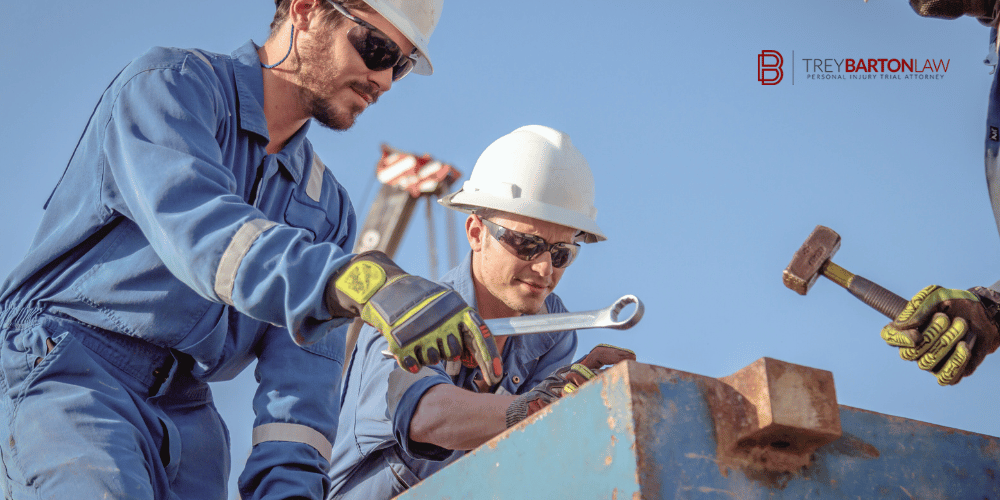
Oil and Gas Companies and Well Operators
The entities that own oil and gas wells and contract services often control critical decisions. When they prioritize profits over ensuring wells are properly maintained, investing in proper storage tanks, or adhering to standards, they risk catastrophic accidents. Our Texas workover oil rig accident lawyers can hold the operators accountable and help clients seek compensation that covers all emotional and financial losses.
Workover Rig Companies (Contractors and Maintenance Companies)
Service rig contractors employ crews who are responsible for ensuring equipment is properly maintained. When severe injuries are caused by operating heavy machinery or rigs beyond safe service life, deferred or poor maintenance, or lack of proper training on well control procedures, their negligence is directly tied to the uncontrolled release of natural gas or crude oil.
Rental companies that lease service rigs, HWUs, and coiled tubing units to operators bear responsibility when they rent faulty equipment, skip inspections, or fail to ensure the rental is properly maintained.
Equipment Manufacturers
Equipment manufacturers can be held liable when defects, flaws, or inadequate warnings contribute to oil and gas well service accidents in Texas. Blowout preventer failure, hydraulic systems with inadequate safety factors, and rotating tools with insufficient safeguards are all grounds to hold equipment manufacturers accountable. Our personal injury lawyers can help oilfield service workers and their families pursue oil and gas equipment accident claims in Texas.
Service Contractors And Third-Party Vendors
Chemical suppliers, wireline companies, and specialized service vendors can cause incidents. When wireline companies rush pressure control procedures, acidizing contractors use degraded hoses, or chemical suppliers don’t properly label hazardous materials, their negligence contributes to Texas workover rig accidents
Oil and Gas Industry Laws and Safety Regulations
Texas workover accidents fall under different legal frameworks depending on the area and operational details:
Offshore Workover Rig Laws and Regulations
There are specific regulations governing Gulf of Mexico offshore accident claims:
-
Extends federal jurisdiction and Bureau of Safety and Environmental Enforcement oversight for platform service accidents in the Gulf of Mexico.
-
Establishes detailed requirements for well control, blowout preventer testing, pressure control procedures, and safe work practices during offshore oil rig intervention work. When employers violate these safety standards, it strengthens oil rig service accident claims.
-
Govern platform personnel safety, emergency procedures, and vessels supporting oil rig service work. These protect workers during marine transportation and platform work.
-
Apply to Gulf of Mexico MODU accidents. These cases require experienced legal assistance.
-
Sets manufacturing and testing requirements for blowout preventers used in offshore well intervention.
-
Sets industry standards for coiled tubing well control. Ignoring these standards during offshore coiled tubing work demonstrates negligent well control practices.
-
Governs safe work practices for well servicing. Ignoring these industry-recognized safety standards helps build claims for negligence.
-
Provides comprehensive guidelines for drilling and servicing. Violations indicate a lack of proper training, potentially defective equipment, and inadequate safety protocols.
-
Protect seamen injured in offshore service rig accidents, providing the right to sue employers for negligence and unseaworthiness under federal safety regulations.
-
Covers certain maritime workers, providing enhanced benefits beyond state workers' compensation.
Onshore Oilfield Accident Laws
-
Establish strict safety protocols for oilfield workers maintaining oil and gas wells. Employers who violate OSHA workplace safety can be held liable.
-
When employers don't inform oilfield workers about acid hazards, toxic gas risks, or corrosive properties, these unsafe conditions support exposure claims.
-
Provide detailed servicing and drilling operation safety protocols that establish industry customs for proper oil and gas workover jobs. While not legally binding, ignoring API standards demonstrates below-accepted industry standards for safe work environments.
Texas Oilfield Anti-Indemnity Act
When an oil or gas well operator causes or contributes to an oilfield accident, the injured employee typically can’t sue their employer (typically, the contracted service or maintenance company) due to workers’ compensation exclusive remedy rules. Instead, the contracted oilfield worker files a third-party claim against the negligent operator.
Without the Texas Oilfield Anti-Indemnity Act, CEOs could use broad indemnity clauses to force the contractors to reimburse them for judgments. This would effectively eliminate the worker’s recovery.
Even when service contracts contain clauses, such as “all claims arising from the work,” the act voids these provisions.
So, when operators cause unsafe practices, rushing crews, skipping inspections, ignoring warnings, or refusing to kill wells before service work, they are fully liable.
For workover crews, this means those who actually control job-site safety measures remain defendants when sued by injured workers and their families. This preserves victims’ ability to pursue claims for the full extent of money needed for severe injuries and even death, rather than being constrained to receiving workers’ compensation benefits, which fail to cover all costs.
Why File Third-Party Claims Instead of Receiving Workers’ Compensation Benefits
State employers are not required to carry workers’ compensation insurance. However, even when they do, workers’ compensation claims rarely provide adequate coverage for severe injuries. When employees receive workers’ compensation benefits, they’re paid a percentage of income losses, often capped at a fraction of their actual lost wages. Additionally, workers’ compensation benefits don’t provide coverage for pain and suffering, future income capacity, or the true impact of permanent disabilities.
If you’ve sustained serious work-related injuries, you need a Texas workover oil rig accident lawyer to help you file a third-party claim for maximum recovery. After serious oilfield accidents, our experienced team can help you find financial stability
Third-party personal injury lawsuits are filed when operators, equipment manufacturers, contractors, or service providers cause or contribute to oil rig maintenance accidents in Texas. These personal injury claims provide more significant compensation to cover current medical care and ongoing medical expenses, lost wages, and future reduced earning capacity, rehabilitation costs, emotional distress, pain and suffering, disfigurement, and reduced quality of life.
When employers cause or contribute to oil rig service accidents in Texas, but they don’t carry workers’ compensation insurance, the state allows workers injured on the job to sue them through personal injury lawsuits. These offer the same forms of financial compensation.
The difference in recovery for workers’ compensation claims and personal injury claims often amounts to millions. Workers’ compensation insurance may pay $300,000 in lifetime benefits for life-altering damage, while personal injury claims can recover into the millions if it’s needed for long-term care, lost wages, and full compensation for permanent disabilities. In personal injury lawsuits, our workover oil rig accident law firm seeks compensation that covers the full extent of the damages.
Wrongful Death Claims For Workover Accident Fatalities
Loved ones can seek justice and financial compensation when an oilfield worker dies due to unsafe conditions, defective equipment, or inadequate safety protocols. While workers’ compensation claims provide some benefits, third-party claims help loved ones obtain financial stability after significant emotional and financial loss.
These claims can help cover funeral costs, prior medical expenses, lost wages, emotional distress, and other emotional and financial losses. They also work to hold responsible parties accountable when negligence causes fatal workover rig accidents in Texas. Unlike workers’ compensation benefits, third-party liability claims can provide broader financial support and help loved ones pursue full compensation for the long-term impact of their loss.
- Full Loss Of Financial Support: complete future lost wages and earning capacity over their expected work life, often $2-4 million for experienced service supervisors and specialists
- Loss of Household Services: compensates for the value of childcare, home service, financial management, and other services
- Mental Anguish and Loss of Companionship: for surviving spouses, children, and parents who suffer the emotional distress of loss of life
- Punitive Damages: when gross negligence, willful unsafe conditions, or conscious disregard for workplace safety cause incidents
Insurers often take advantage of spouses in a state of grief and confusion, working to persuade them to accept inadequate settlement offers. Our Texas fatal oilfield accident lawyers explain clients’ legal rights, allow them to grieve while we conduct thorough investigations, identify all liable parties, and are a constant presence providing legal assistance from start to finish.
Locations Our Texas Workover Rig Accident Attorneys Represent
From our Sugar Land headquarters, Trey Barton Law handles Texas workover rig injury cases throughout the state’s oil and gas industry.
Core Production: Karnes, Dewitt, and Lavaca Counties
The Kenedy region involves intensive Eagle Ford Shale condensate well servicing, where severe Karnes County oil field accidents are frequent. Highway 181 transportation corridor crashes claim lives as service rigs move between well sites.
Near Cuero and Yorktown, the Nordheim Field’s mature production requires constant intervention work, creating the risk of Dewitt County oilfield accidents during recompletion.
Legacy gas wells around Hallettsville and Yoakum require workers to follow strict safety protocols due to aging infrastructure and sour gas hazards. Agricultural area drilling conflicts often rush staff to complete tasks. For Lavaca County oilfield accidents, emergency response delays worsen outcomes for H2S releases or well blowouts.
Support and Oilfield Service: Wilson, Guadalupe, and Victoria Counties
Activity around Floresville and Stockdale services wells in the Eagle Ford sweet spot, where high production rates demand frequent well intervention and risk for Wilson County oilfield accidents. The Highway 181 and 87 junction are hotspots for truck crashes as employees rush between sites.
Seguin, Marion, and McQueeney are common spots for Guadalupe County oilfield accidents, particularly along the Interstate 10 corridor, where oil rig moves create highway dangers and unsafe practices involving rushed mobilizations.
Service work around Victoria and Bloomington focuses on Gulf Coast shallow well servicing in the Guadalupe River valley. Victoria County oil and gas accidents are common along the Highway 59 and 77 corridor, as service rigs transport between coastal lease sites.
Administrative and Oil and Gas Infrastructure Centers: Bexar, Harris, Fayette, and Comal Counties
Bexar County handles San Antonio area horizontal well servicing in the Elmendorf and Lytle fields. Inadequate safety protocols are often the cause of San Antonio oilfield injuries.
The Harris County centers on Houston’s refinery and petrochemical plant work, ship channel industrial accidents, and urban drilling support, where Houston oil and gas accidents affect not just workers and their families, but also surrounding communities.
In Fayette County, Schulenburg and La Grange oilfield accidents focus on legacy oil and gas well transportation and recompletion incidents.
In New Braunfels and Canyon Lake, drilling operations are along the Ranch Road 306 corridor. In Comal County oil field accidents, access challenges cause emergency response delays.
Our personal injury lawyers handle Texas service rig accidents. We also help navigate the legal process for disastrous Gulf of Mexico service rig accidents.

Contact a Texas Workover Rig Accident Lawyer For a Free Consultation
Service rig accidents destroy lives in seconds. In most cases, workers’ compensation claims don’t offer the compensation you deserve or need to move forward. Our experienced attorneys provide personalized attention, conducting detailed investigations to identify all negligent parties. We file claims outside of the workers’ compensation system to secure additional compensation for injured workers and their families who have lost loved ones.
Liable parties will dispatch teams to investigate sites within hours, attempting to minimize liability. Injured workers and their families need equally aggressive advocacy to gather evidence and protect their legal rights.
Contacting a Texas workover oil rig injury attorney is crucial. Reports get lost, witnesses’ memories fade, and at-fault parties work tirelessly to persuade injured workers to provide recorded statements or accept settlements that aren’t fair. In some situations, they’ll even delay benefits.
Our legal team handles these third-party claims on a contingency fee basis. This means clients don’t owe any fees unless we secure the compensation you deserve.
Call 832-916-2526 or complete our contact form to schedule a free consultation.
Oil and Gas Locations
Serving These Cities & Counties in Texas
Free Consultation
Our experienced Houston personal injury attorneys want to get to know you and understand your unique situation. We offer a free, no-obligation consultation. You don’t pay unless your case is won.
Awards & Recognition






No Fee Unless You Win
Trey Barton understands the hardships injured people and their loved ones face as they try to heal from their accident. Every case is prepared as if it is going to trial. This gives you the best opportunity to obtain a fair recovery for your case, and ensures I am positioned to take the case to trial if the insurance company does not give you the money you deserve.